Inground Pools
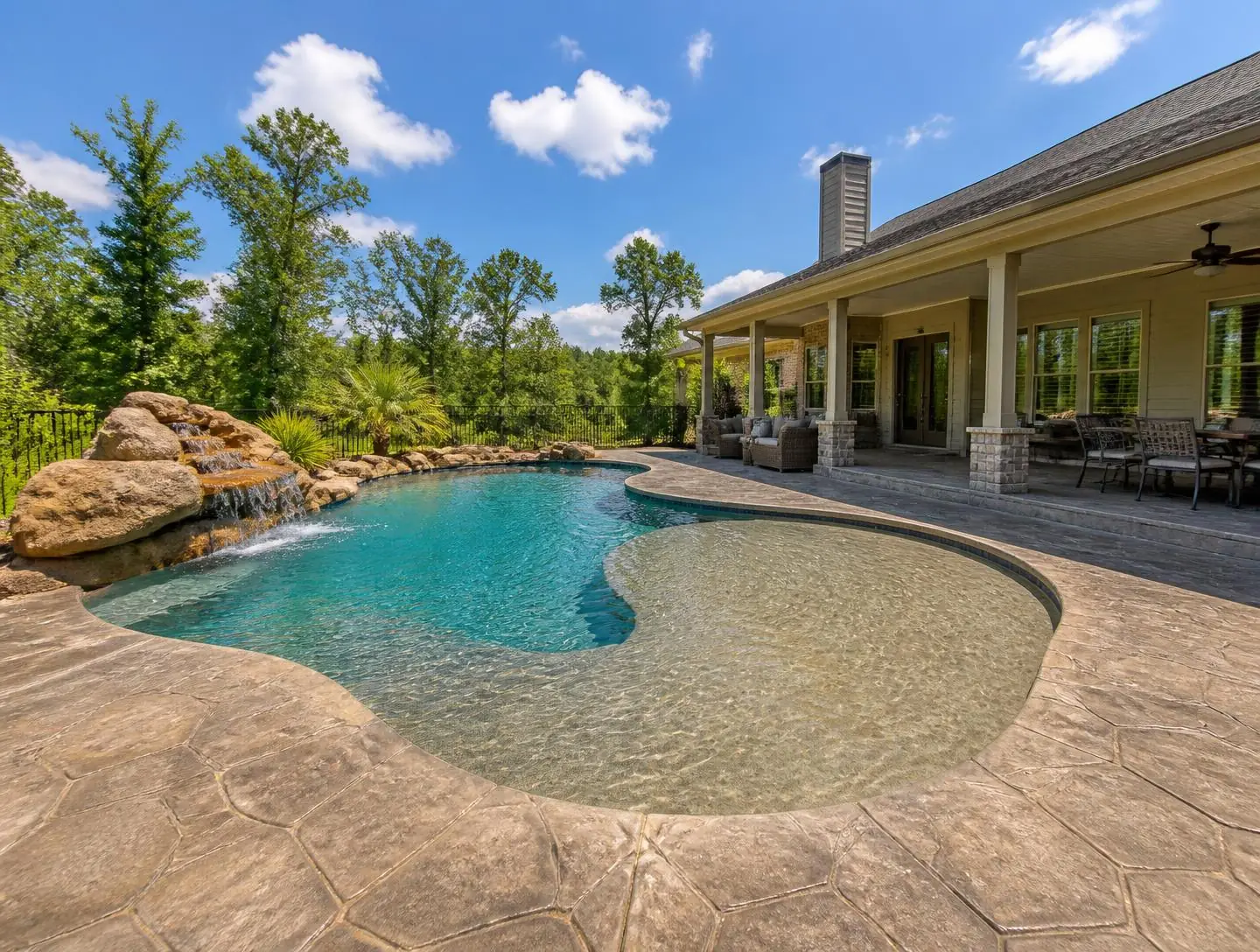
Inground pools are the default choice for North Mississippi homeowners who want a permanent backyard feature that works with the house rather than beside it.
What are the main types of inground pools?
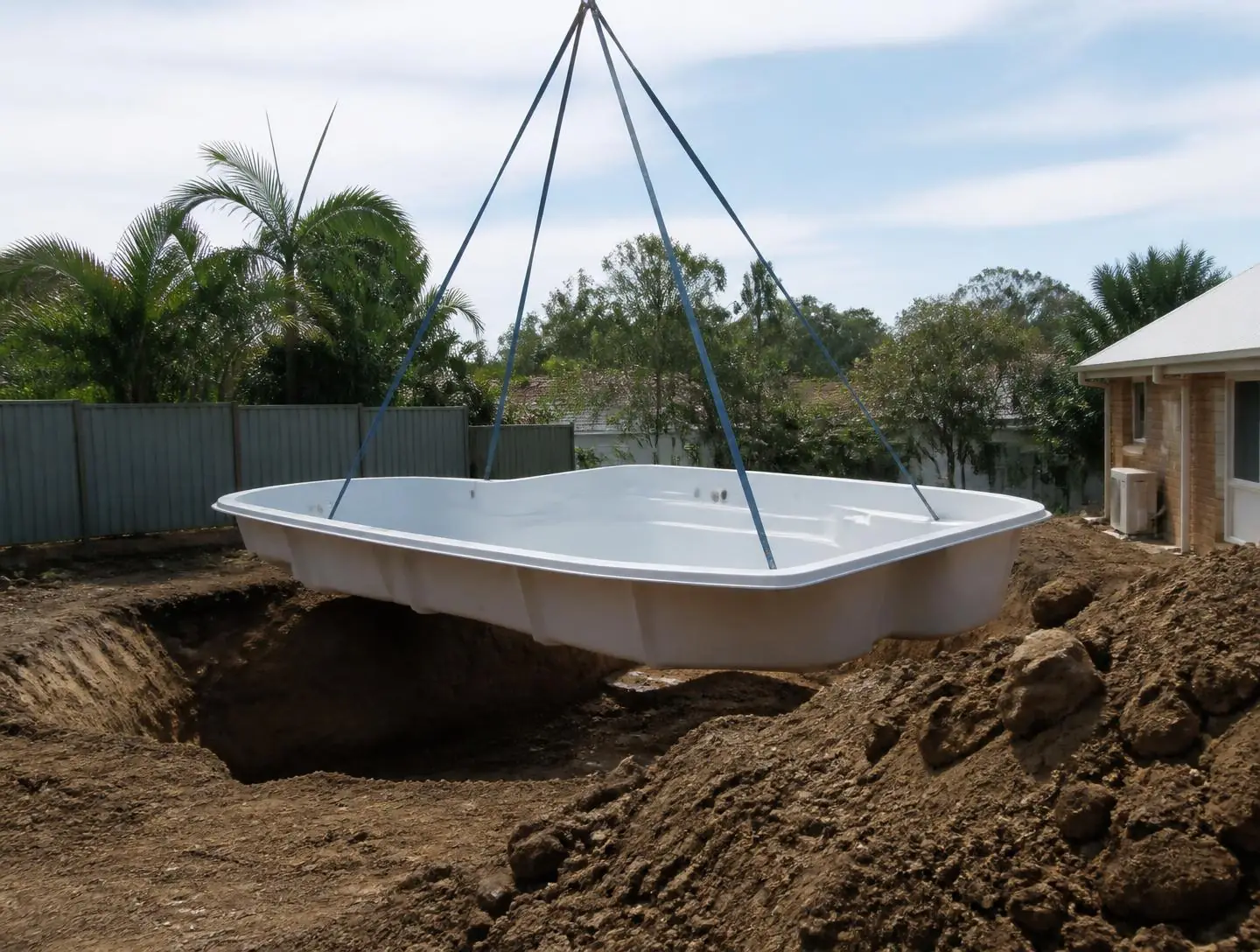
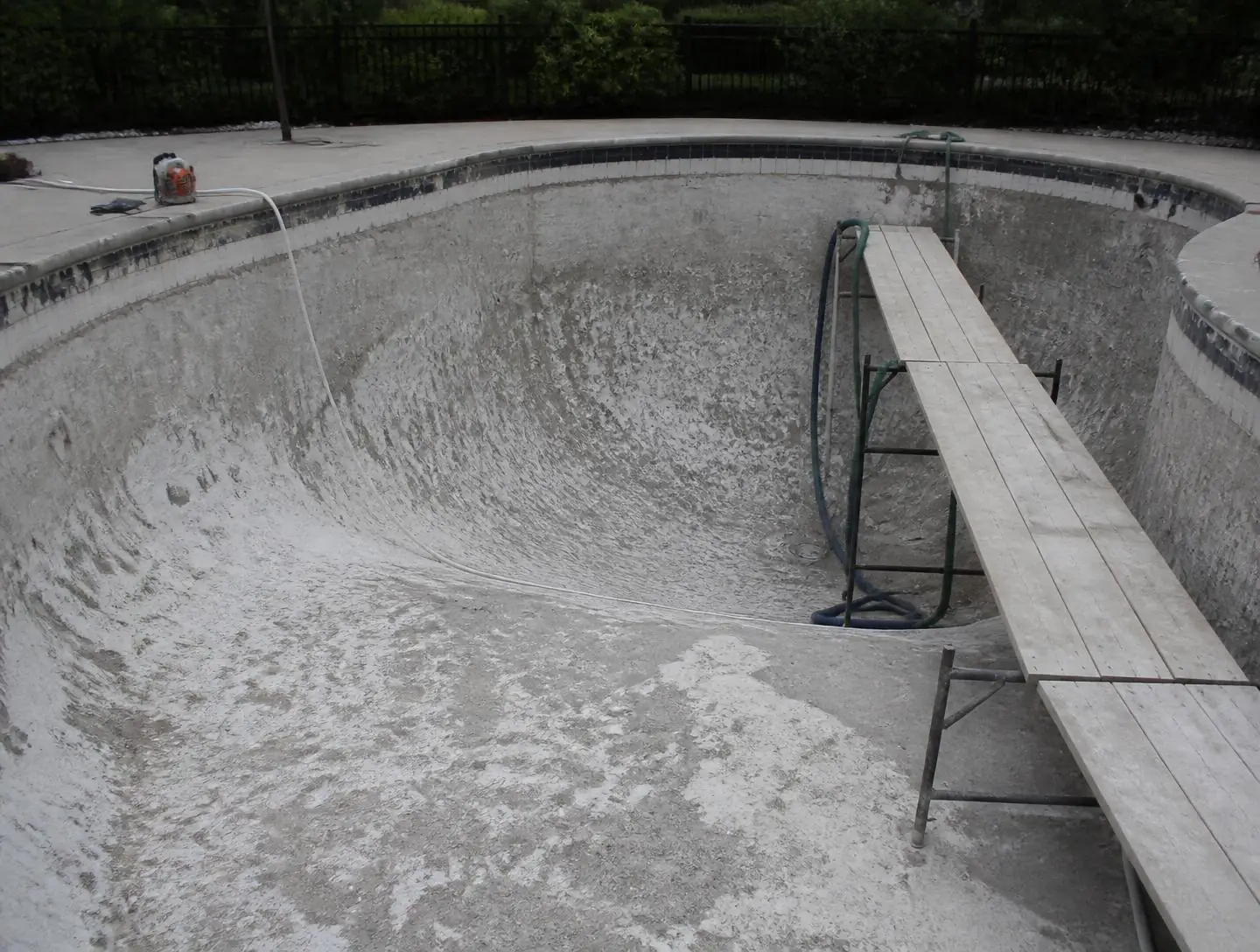
Three construction types dominate residential work: gunite or shotcrete concrete pools, which are formed on site and can take any shape; fiberglass pools, which arrive as a single molded shell and install quickly; and vinyl liner pools, which use a supported wall structure with a replaceable liner. Concrete and fiberglass are the most common choices in North Mississippi.
Choosing a construction type
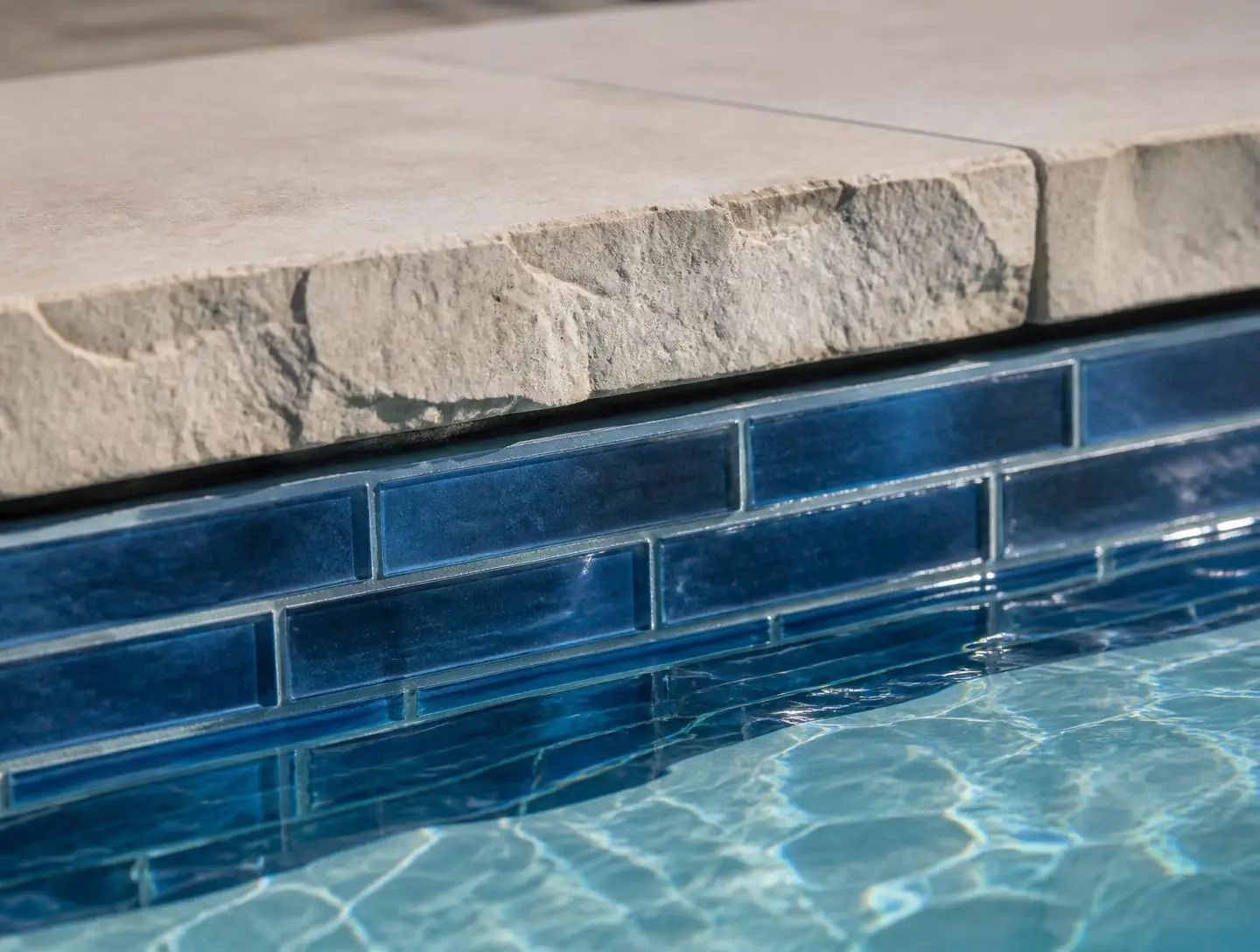
Concrete gives complete freedom over shape, depth and integrated features, and the interior finish can be renewed decades later. Fiberglass shortens the build considerably and has a smooth, low-maintenance surface, but the shape catalog is fixed and the shell has to be trucked in and craned or rolled into place.
Access frequently decides this. A shell that cannot physically reach the back yard is not an option regardless of how good it looks on paper.
Sizing a pool for real use
Bigger is not automatically better. A pool sized for how the household actually swims - lounging, kids, laps, entertaining - costs less to build, less to heat and less to maintain, and leaves more usable deck and lawn.
- Family swimming and play: a broad shallow area with a generous entry
- Lap swimming: a straight, unobstructed run and consistent depth
- Entertaining: prioritize deck width, shade and seating over water area
- Small lots: compact plunge-style pools with a bench and ledge
What to plan for before you build
- Setbacks, easements and local permitting requirements
- Barrier and gate requirements for the property
- Drainage - where roof and yard water travels during heavy rain
- Equipment pad location, power supply and noise considerations
- Construction access and where spoil and materials will be staged
- Landscaping and irrigation that will be disturbed and restored
Frequently asked questions
Start with a conversation about your backyard
Share your yard, your budget range and how you want to use the space. You will get straight answers about what is realistic before anything is designed.