Pool Installation
Installation is a sequence of dependencies. Each stage has to be right before the next one covers it up.
What are the stages of inground pool installation?
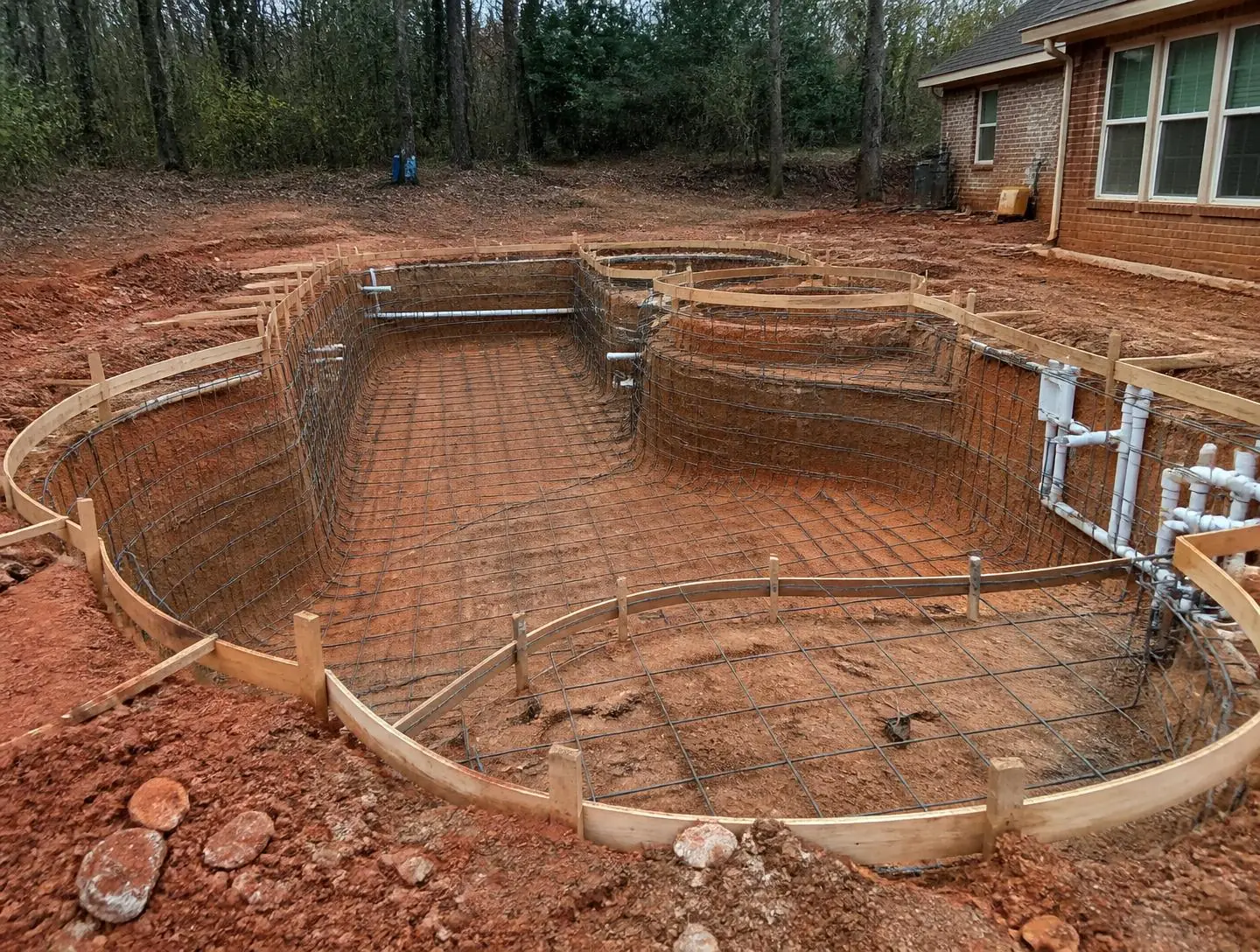
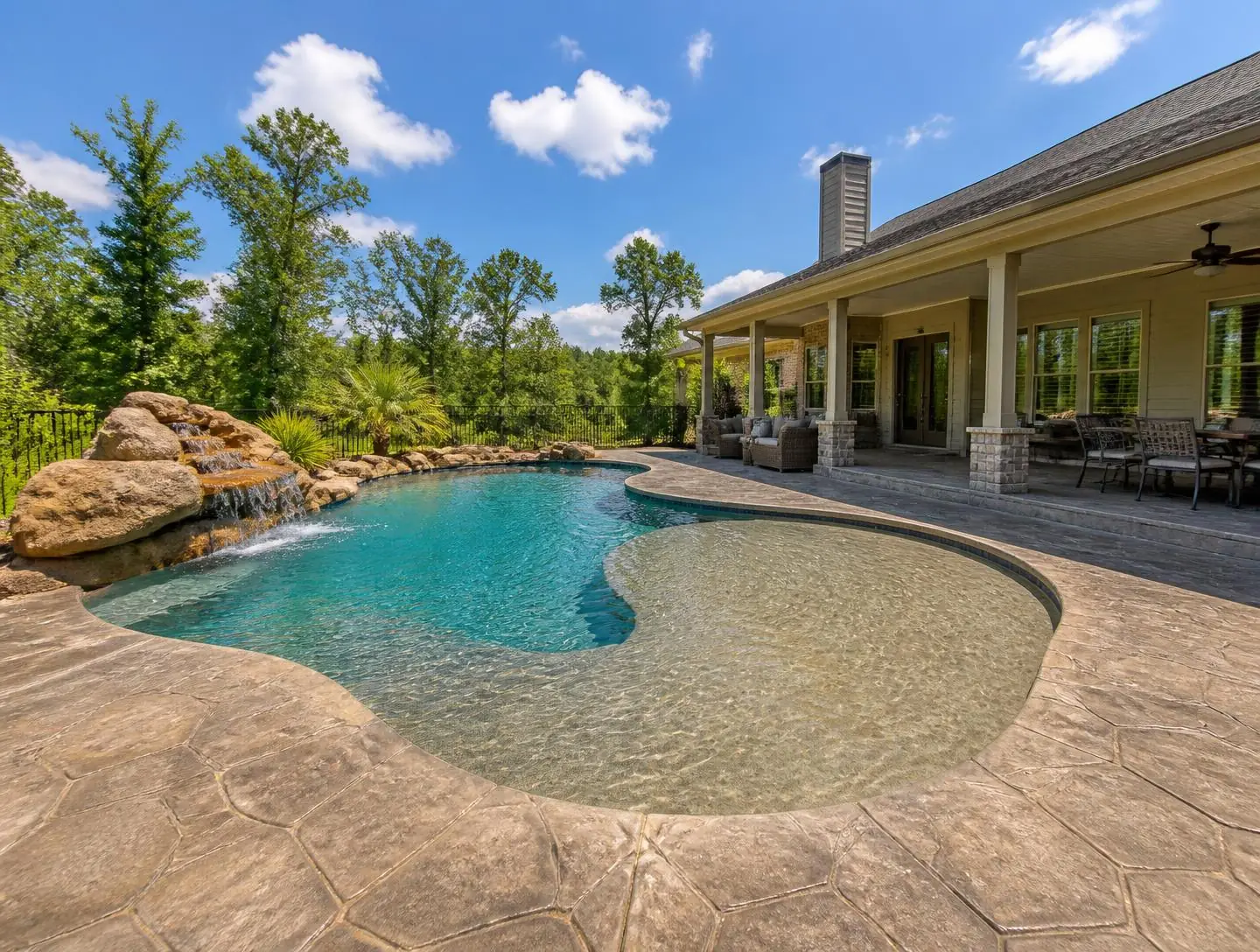
Layout and permitting, excavation, structural work (steel and gunite for concrete pools, or base preparation and shell setting for fiberglass), plumbing and electrical rough-in, backfill, decking, tile and interior finish, equipment set and start-up, then final grading and restoration. Inspections and weather sit between several of these stages.
Stage by stage
Layout & permitting
The pool is staked on site and reviewed against setbacks, utilities and local requirements before excavation.
Excavation
The shape is dug to profile and spoil is staged or hauled off. Soil conditions can change the plan here.
Structure
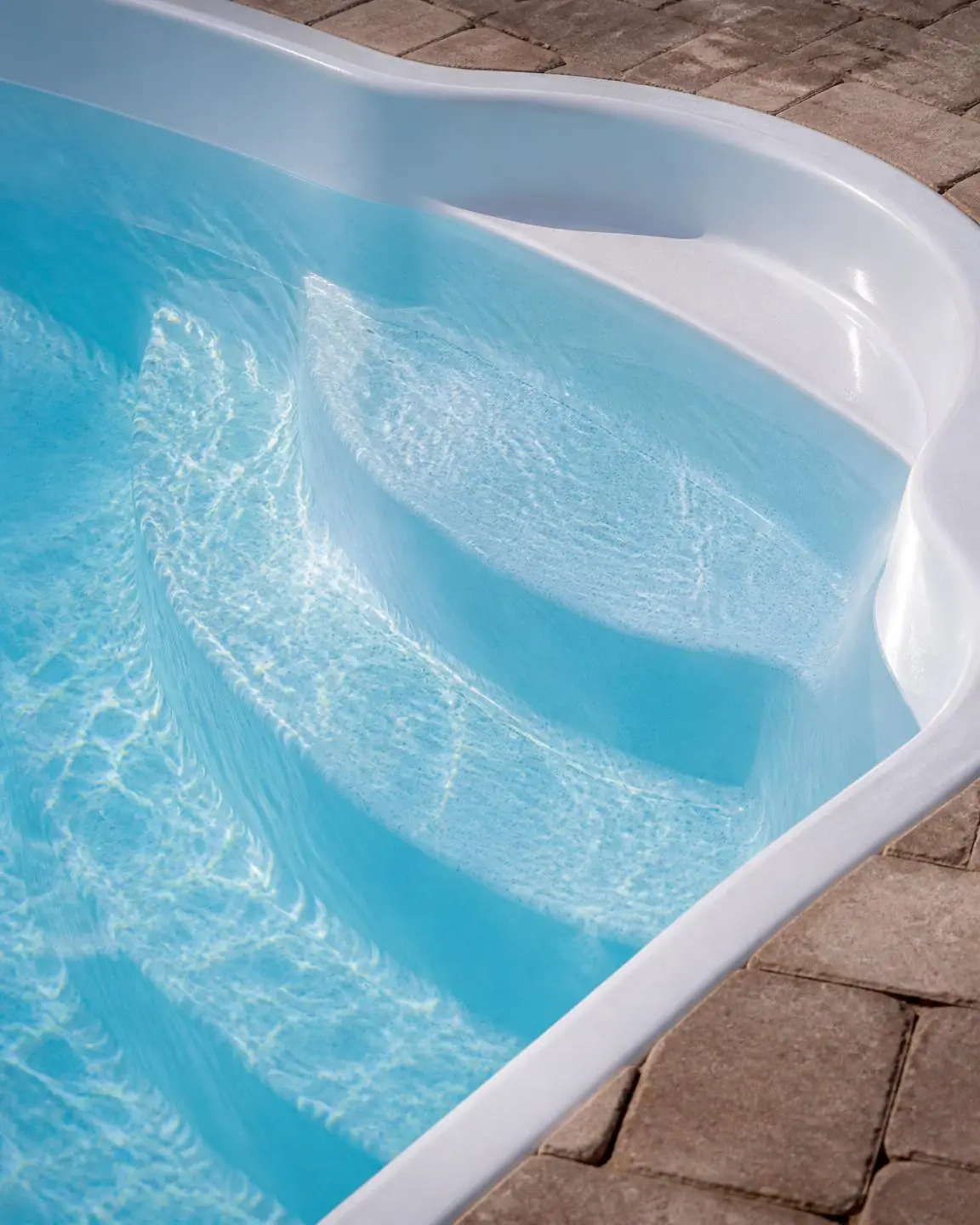
Steel and gunite are placed for concrete pools; fiberglass shells are set on a compacted, leveled base.
Plumbing & electrical
Returns, skimmers, main drains, feature lines, bonding and conduit are installed and pressure tested.
Backfill & deck
Backfill is compacted in lifts, then the deck is formed, poured or laid with joints and drainage planned.
Tile, coping & finish
Waterline tile and coping go in, followed by the interior surface for concrete pools.
Start-up
The pool is filled, equipment commissioned, chemistry balanced and the owner walked through operation.
Where quality is actually decided
- Compaction and backfill discipline, especially in clay soils
- Hydrostatic relief and drainage planning around the shell
- Plumbing sized for the equipment rather than the cheapest run
- Deck jointing and slope so water leaves the deck, not the coping
- Bonding and electrical work completed correctly and inspected
Living with a construction site
Expect heavy equipment, staged materials, temporary fencing and disturbed landscaping. A good builder tells you in advance which areas will be affected, how access will be routed, and what will be restored at the end. Rain delays are normal in this climate and are not a sign that something has gone wrong.
Start with a conversation about your backyard
Share your yard, your budget range and how you want to use the space. You will get straight answers about what is realistic before anything is designed.