Small Backyard Pools
Small yards do not need small ambitions. They need a plan that treats water, deck and circulation as one composition instead of leftovers around a rectangle.
What is the smallest practical inground pool?
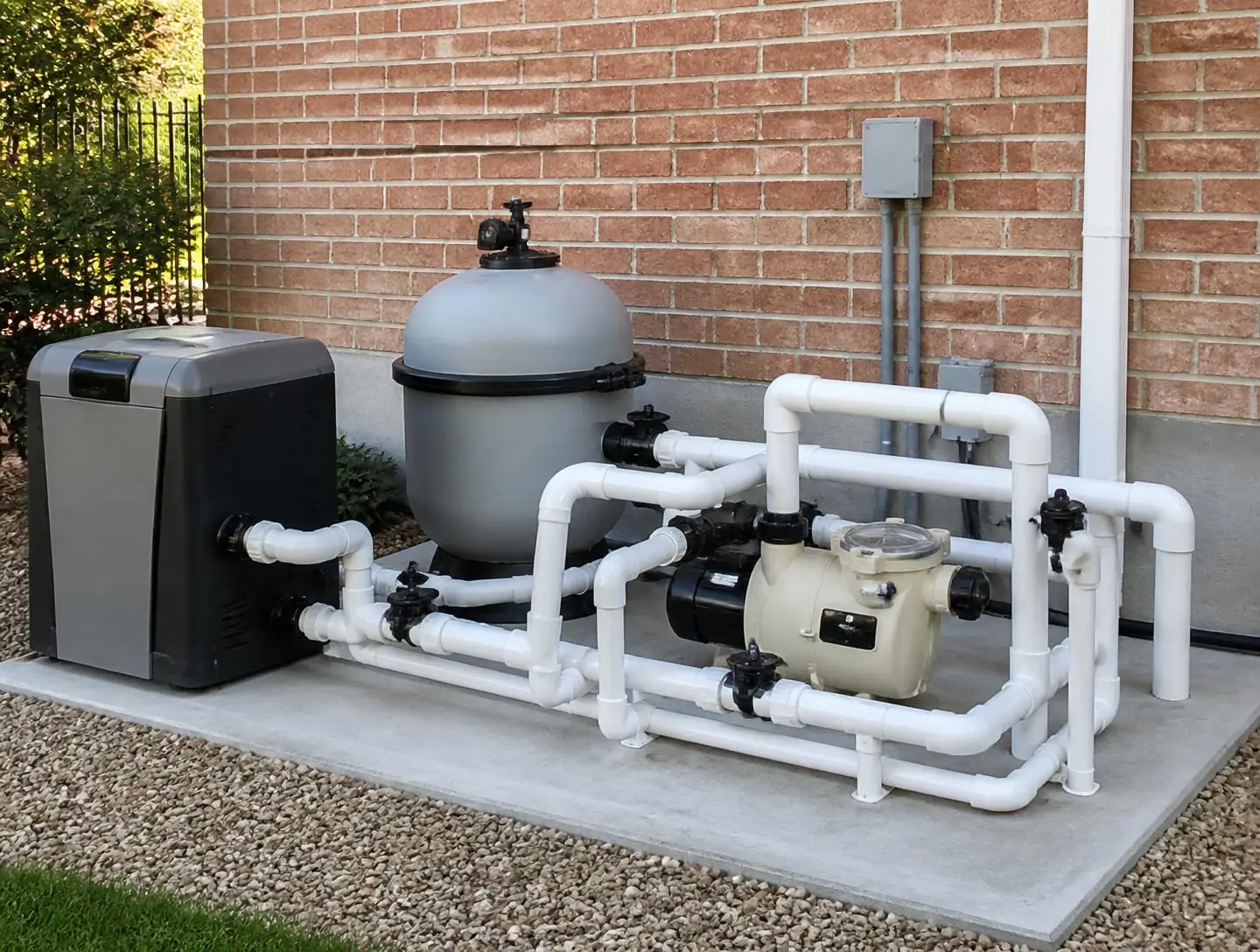
Compact inground pools commonly land in the range of about ten by twenty feet, and plunge or spool designs can be smaller still. The real limit is rarely the water - it is whether there is room for required barriers, a usable deck, an equipment pad and legal setbacks once the pool is placed.
Strategies that make small pools feel generous
- Push the pool toward one property line and consolidate deck on the other
- Use a single, uniform depth to maximize usable water
- Replace a diving-depth end with a full-width bench or ledge
- Align the pool's long axis with the main view from the house
- Keep decking to one material and one large format to reduce visual noise
- Build the barrier into fencing and planting instead of adding a second fence
Plunge pools and spools
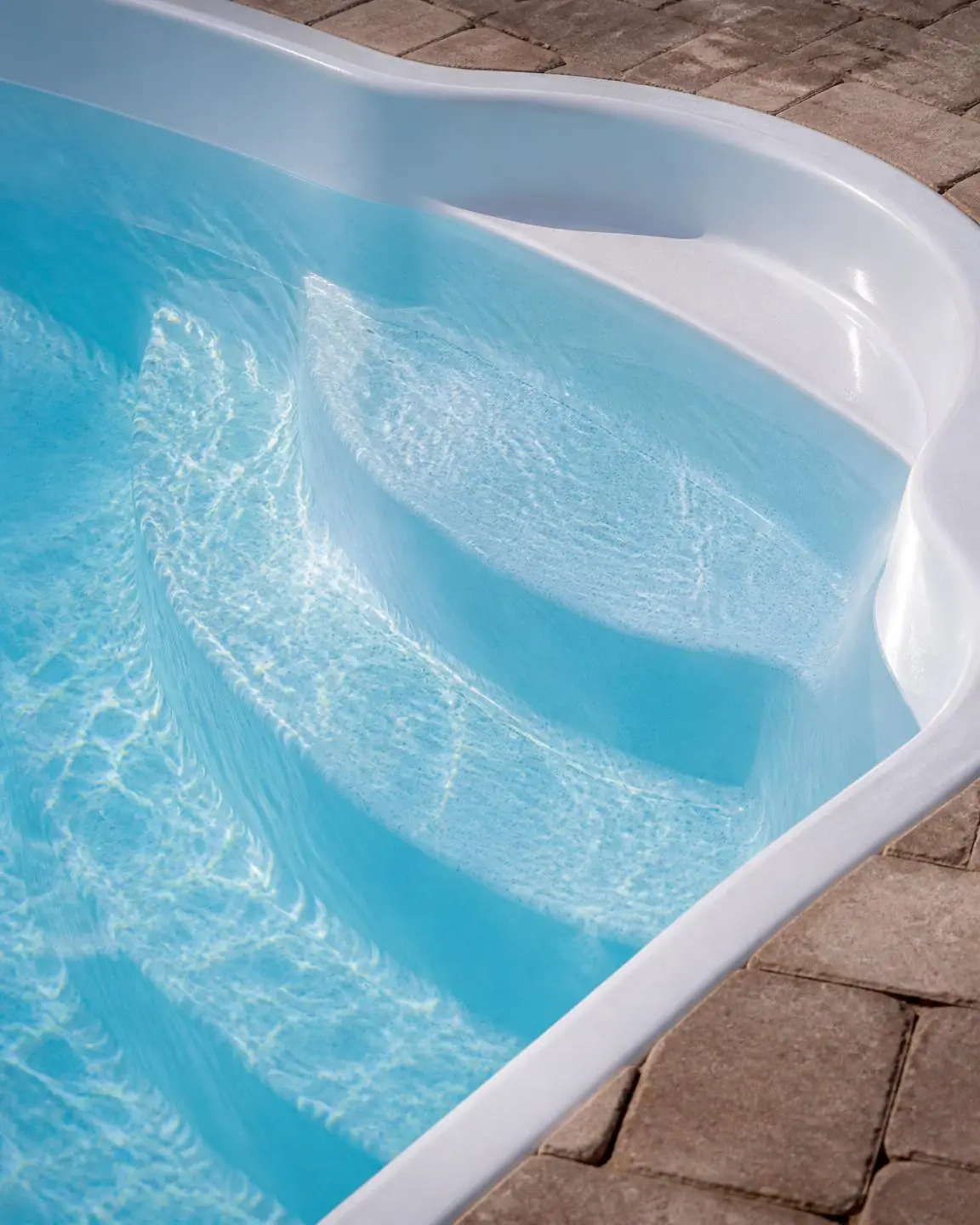
A plunge pool prioritizes cooling off and lounging over swimming laps. A spool combines a small swim area with spa jets and heat, which extends usefulness through cooler months. Both fit lots where a conventional pool would consume the entire yard.
Access is the hidden constraint
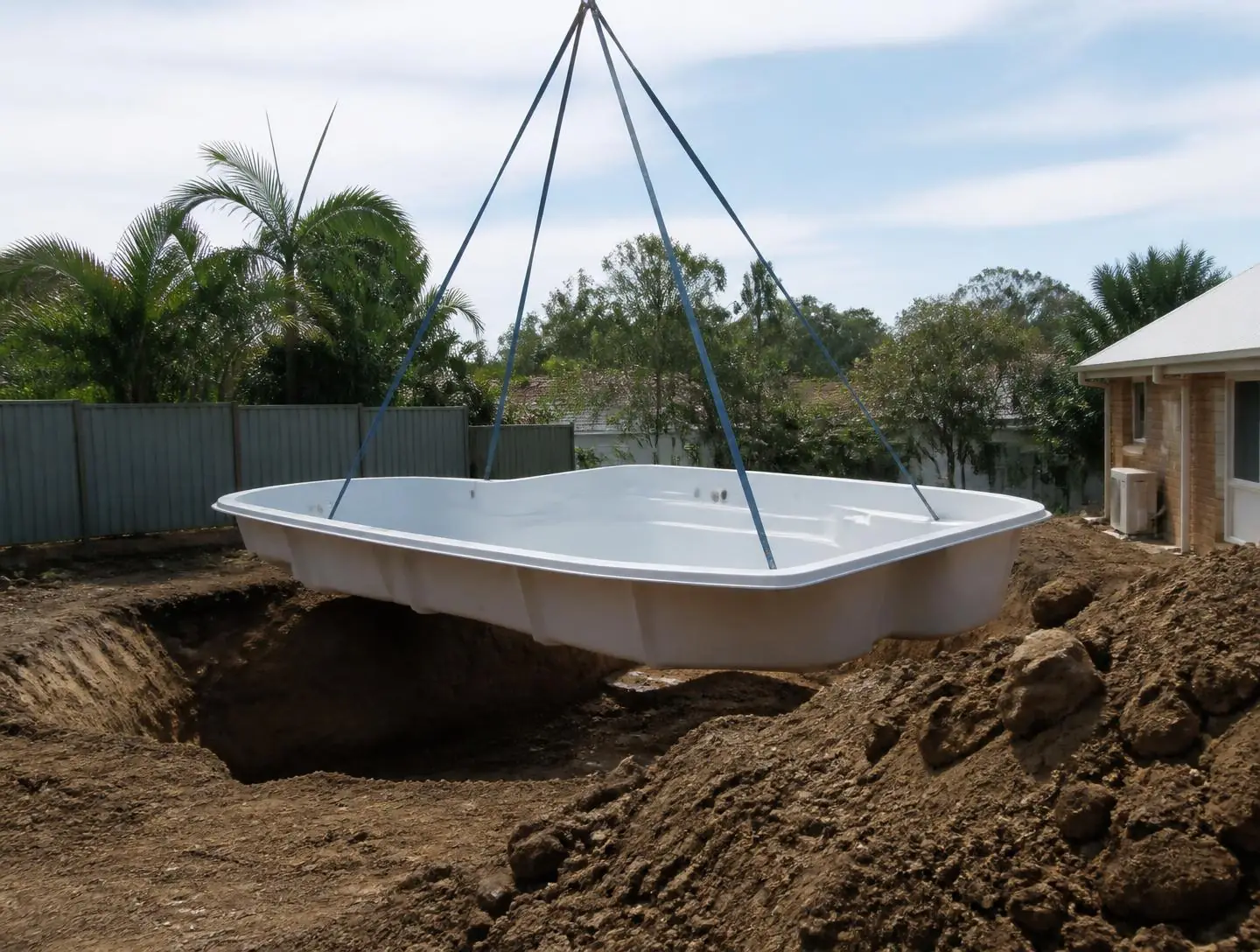
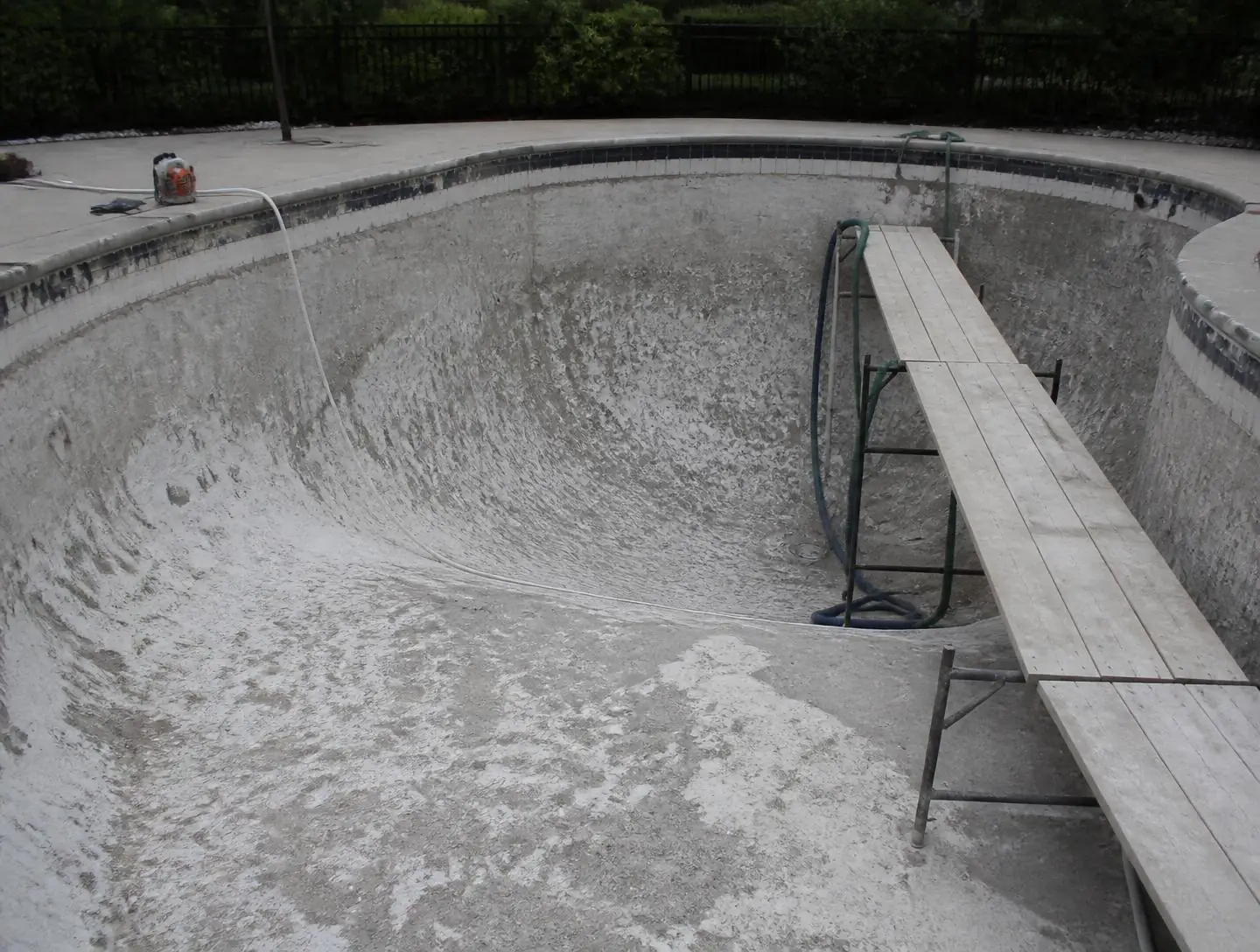
On tight in-town lots, equipment access often decides construction method before design does. A narrow side yard, a permanent fence, mature trees or overhead lines can rule out a large delivered shell and point toward a formed concrete build - or the reverse, if excavation staging space is limited.
Start with a conversation about your backyard
Share your yard, your budget range and how you want to use the space. You will get straight answers about what is realistic before anything is designed.