Pool Repair
Most pool problems announce themselves quietly: a little more water loss, a slightly louder pump, one more chemical adjustment than last month.

How do you know if a pool is leaking?
Compare the pool's water loss against evaporation using a bucket test: float a filled bucket on a step so inside and outside water levels match, then measure both after 24 hours with the pump running normally. If the pool drops noticeably more than the bucket, water is leaving the system and the leak should be located before further damage occurs.
What commonly needs repair
- Leaks at fittings, skimmers, light niches or underground plumbing
- Pump, filter, heater and salt cell failures
- Cracked or delaminating interior surfaces
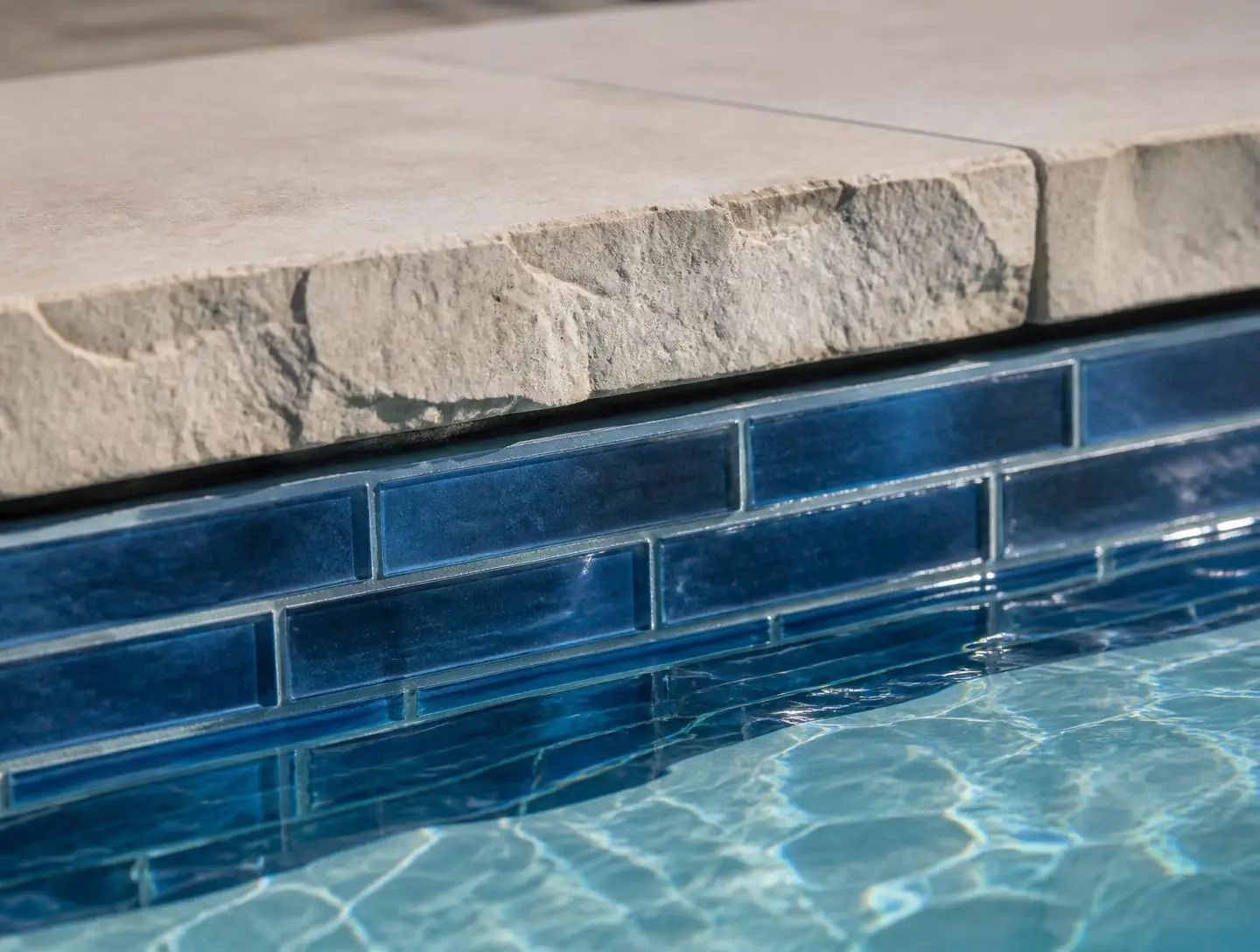
- Loose or missing waterline tile and shifted coping
- Deck settlement, cracking and drainage failures
- Automation, wiring, bonding and lighting faults
Diagnosis before replacement
Replacing equipment without diagnosing the cause tends to produce a second failure. Poor circulation, undersized plumbing, chronic chemistry imbalance and electrical issues all shorten equipment life, and a proper repair addresses the cause and the symptom together.
Start with a conversation about your backyard
Share your yard, your budget range and how you want to use the space. You will get straight answers about what is realistic before anything is designed.