Pool Renovation
Most dated pools are structurally fine. What ages is the surface, the tile, the deck and the equipment - and all of those can be replaced.
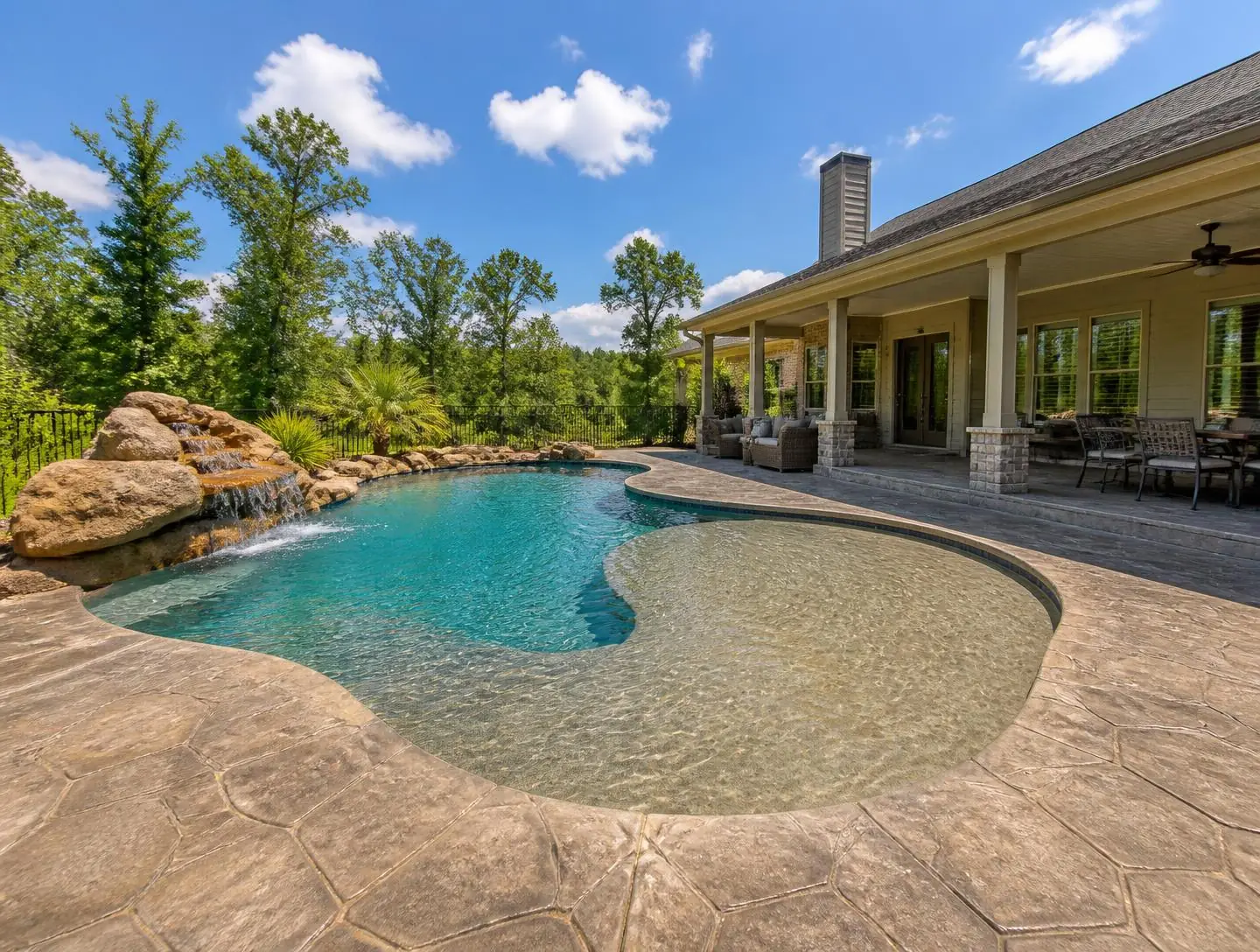
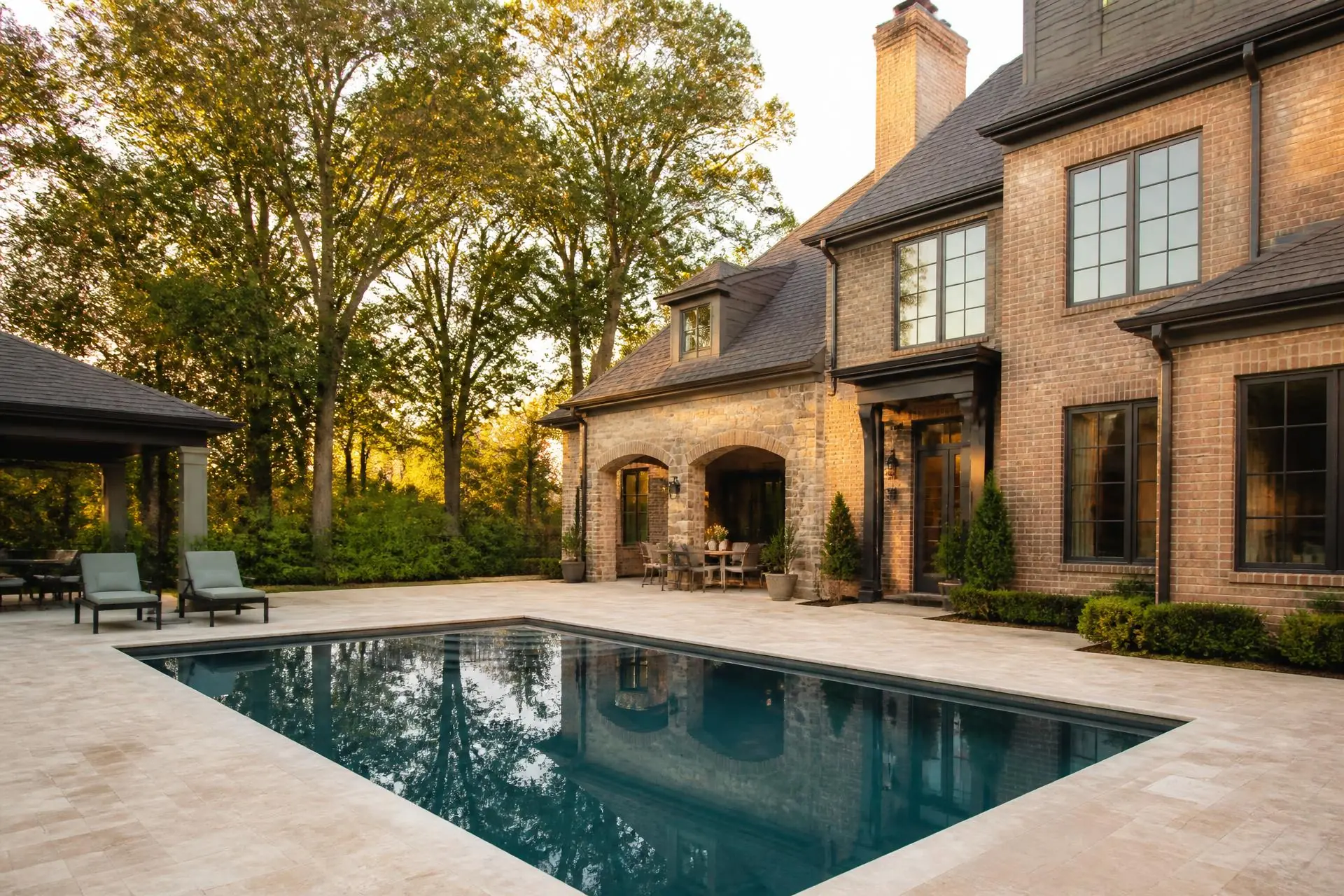
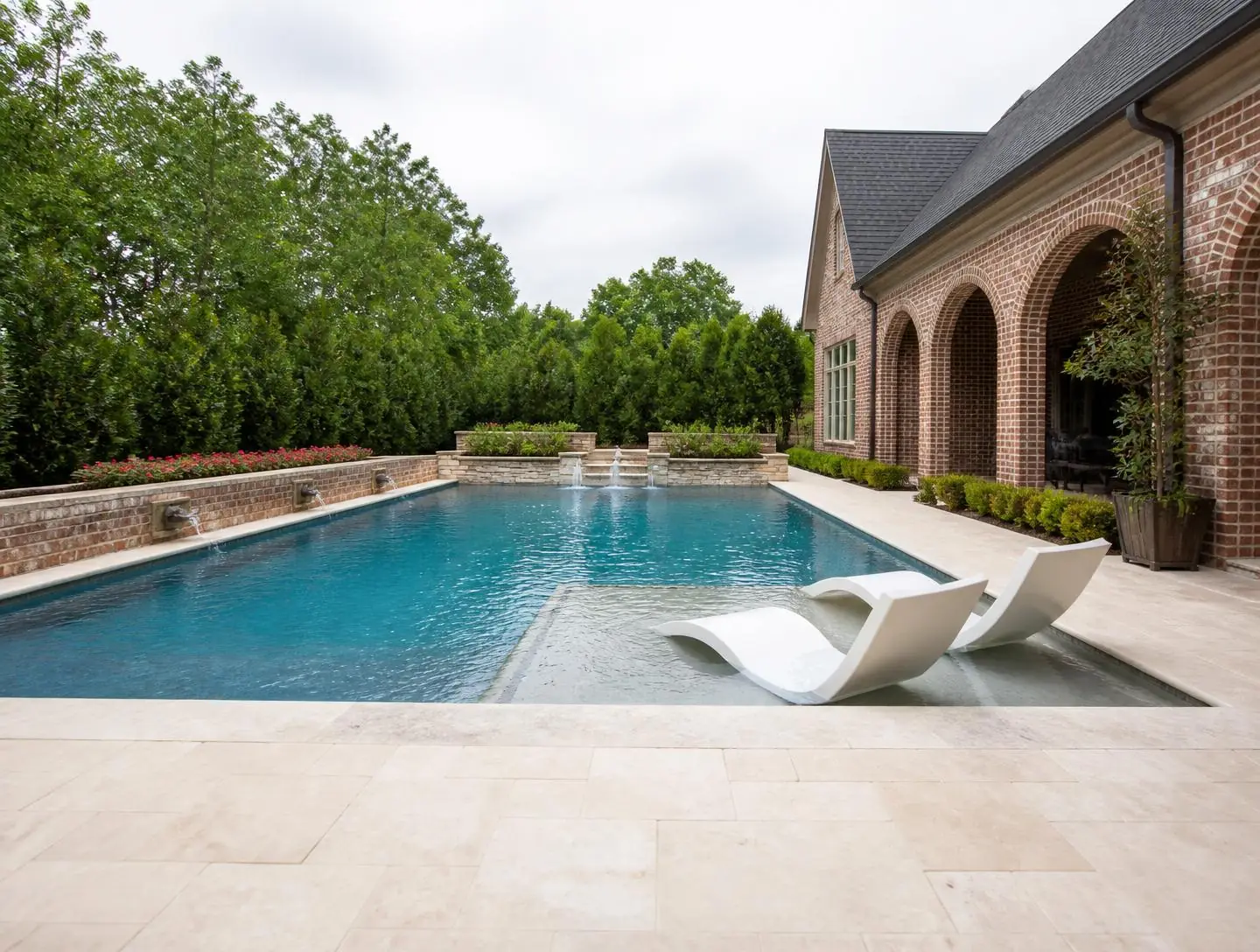
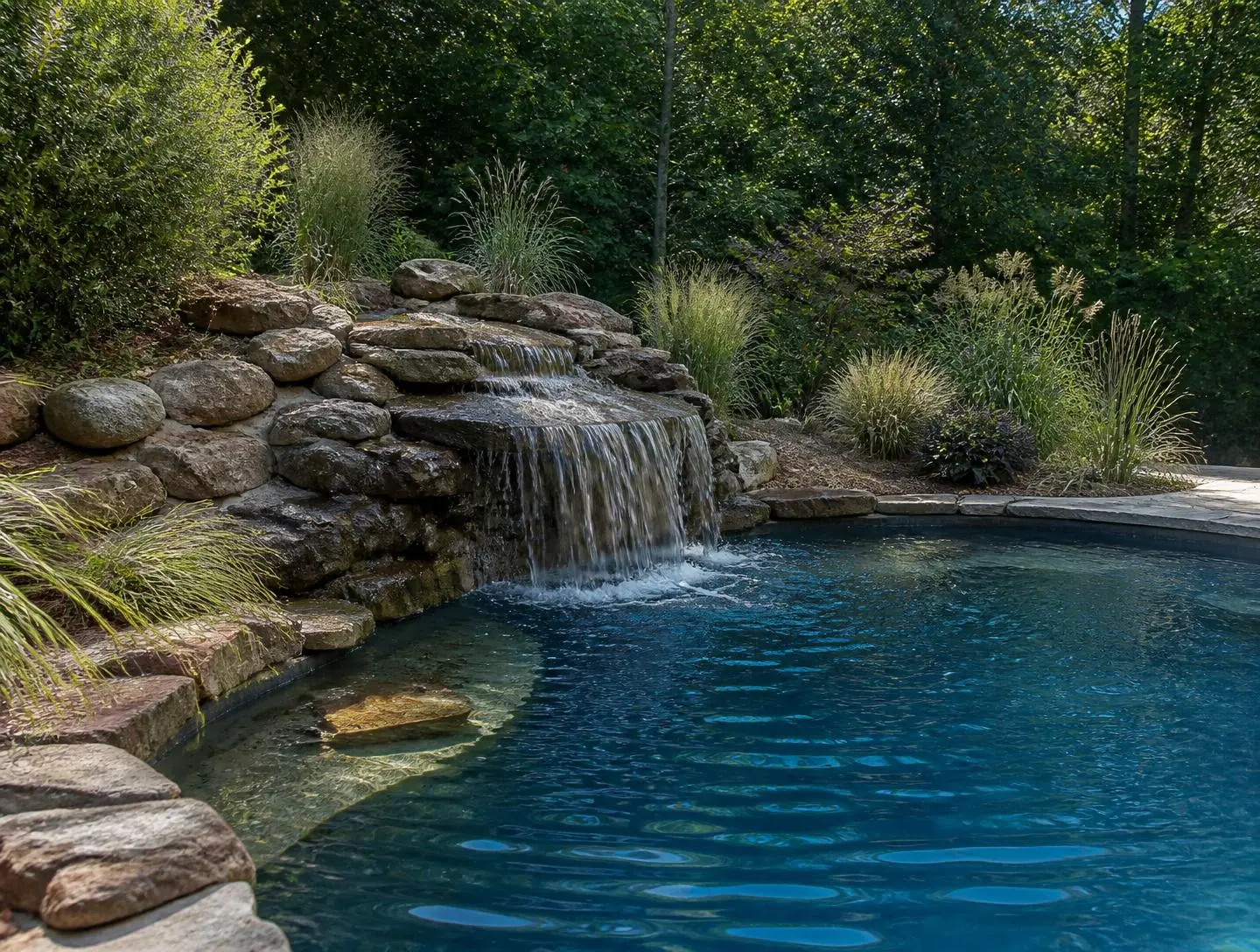
Is renovating an old pool worth it?
Usually, when the shell is sound. Renovation reuses the most expensive part of the pool - the structure and excavation - and replaces the elements that visibly age: interior finish, waterline tile, coping, decking and equipment. Replacement only makes sense when the structure has failed or the pool is in the wrong place for how the yard is used.
Assessment before scope
A renovation should begin with an honest structural evaluation: shell condition, evidence of movement, plumbing integrity, deck condition and whether existing electrical meets current requirements. Cosmetic work over an unresolved structural or leak issue is money spent twice.
Common renovation scopes
- Interior resurfacing in plaster, quartz aggregate or pebble
- New waterline tile and replacement coping
- Deck replacement or resurfacing with modern materials
- Converting a diving-depth end to a shallower, more usable profile
- Adding a sun ledge, bench, spa or water feature
- Variable-speed pumps, modern filtration, LED lighting and automation
- Barrier, gate and safety updates
Sequencing a renovation
Structural repairs and plumbing come first, then deck and coping, then tile, then the interior finish, then start-up. Doing the interior early and the deck late guarantees damage to new work - sequence discipline is what separates a clean renovation from a patched one.
Start with a conversation about your backyard
Share your yard, your budget range and how you want to use the space. You will get straight answers about what is realistic before anything is designed.