Pool Decks & Patios
Deck material is the largest surface decision in the backyard and the one people touch with bare feet every single time.
What is the best material for a pool deck?
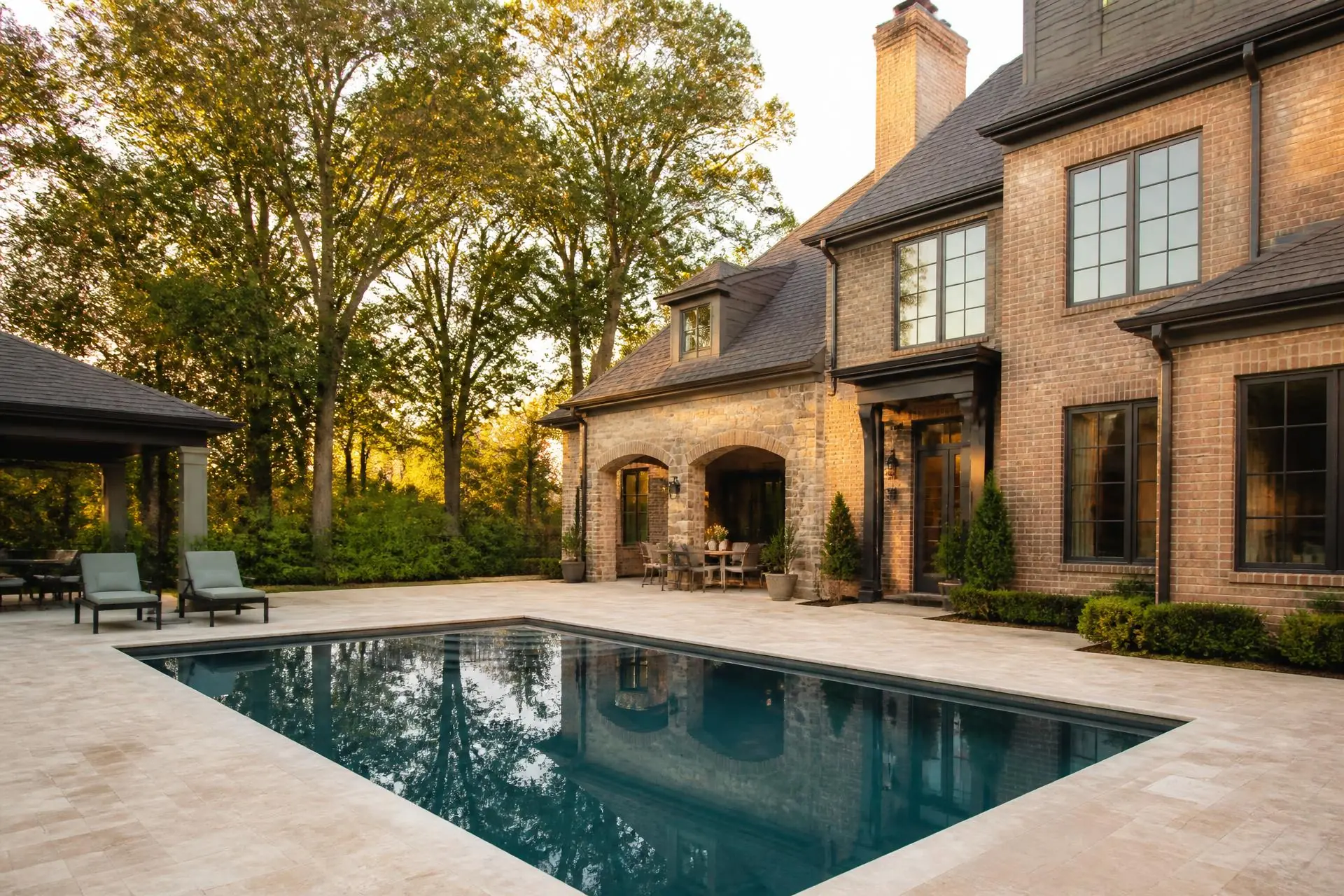
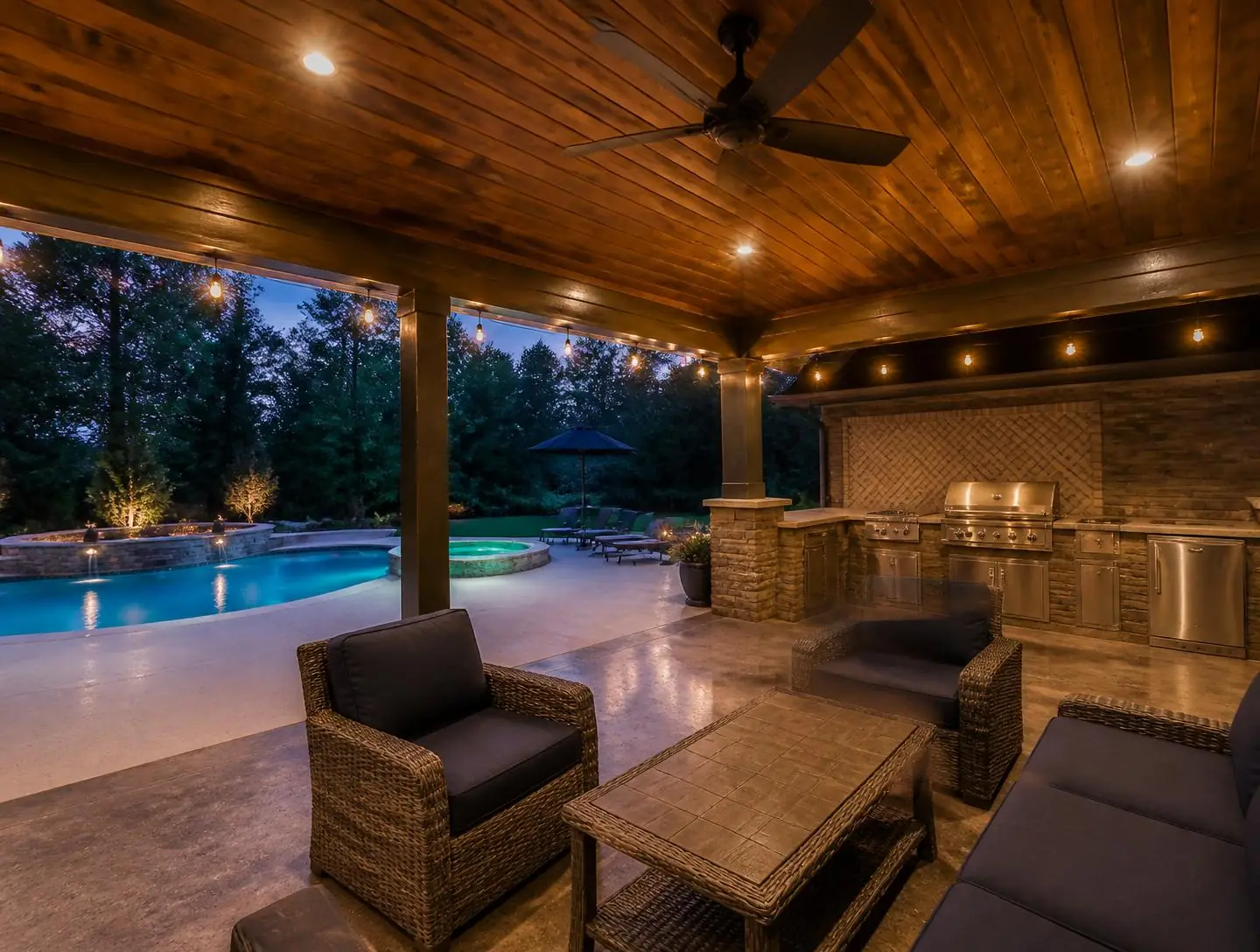
There is no single best material, but the shortlist is consistent: broom-finished or textured concrete for value, concrete pavers for repairability, travertine for a cool surface underfoot, and porcelain pavers for color stability and low maintenance. Choose based on surface temperature, slip resistance, drainage and how the material ages in humid conditions.
Material comparison
- Concrete - most economical, widest finish range, cracks along joints over time
- Concrete pavers - individually replaceable, flexible over minor settlement
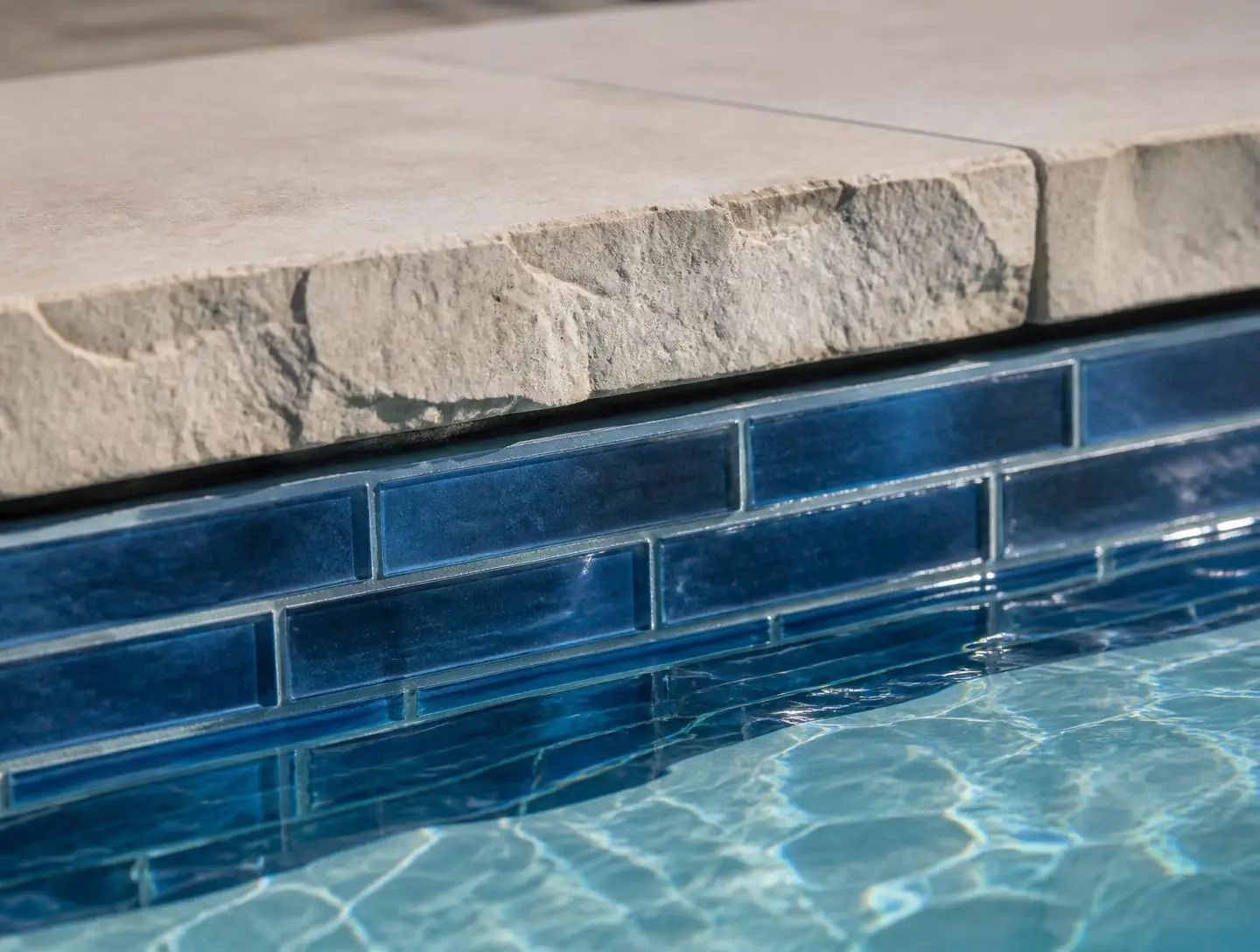
- Travertine - naturally cooler underfoot, classic look, requires sealing attention
- Porcelain - dimensionally stable and stain-resistant, needs precise installation
Drainage and jointing
A pool deck has to shed water away from the pool and away from the house. That means deliberate slope, planned control joints, and in flat yards, deck drains routed to a proper outlet. Where clay soils hold water, drainage design matters more than the material selection above it.
Surface temperature and safety
Dark, dense materials get hot in Mississippi summers. Lighter colors, textured surfaces and shade over primary walking routes make a measurable difference. Slip resistance when wet should be verified for the specific product, not assumed from the category.
Start with a conversation about your backyard
Share your yard, your budget range and how you want to use the space. You will get straight answers about what is realistic before anything is designed.