Pool Safety Considerations for Families
Safety is layered by design. No single barrier, alarm or rule is enough on its own, and the layers are what make the difference.
What are the essential pool safety measures?
Layered protection: a compliant barrier with self-closing, self-latching gates; constant adult supervision with a designated watcher during swimming; door and gate alarms on any home opening onto the pool area; compliant, unblockable main drain covers; swim lessons for children; and rescue equipment stored within reach. Local requirements set the minimum, not the goal.
The layers
- Barrier - fencing with self-closing, self-latching gates that open outward
- Supervision - a designated adult watcher with no competing tasks
- Alarms - on doors, gates and, where appropriate, the water surface
- Drain safety - compliant covers and, where required, secondary protection
- Skills - swim lessons for children and CPR training for adults
- Equipment - reaching pole and flotation kept at the pool, not in a shed
Design decisions that help
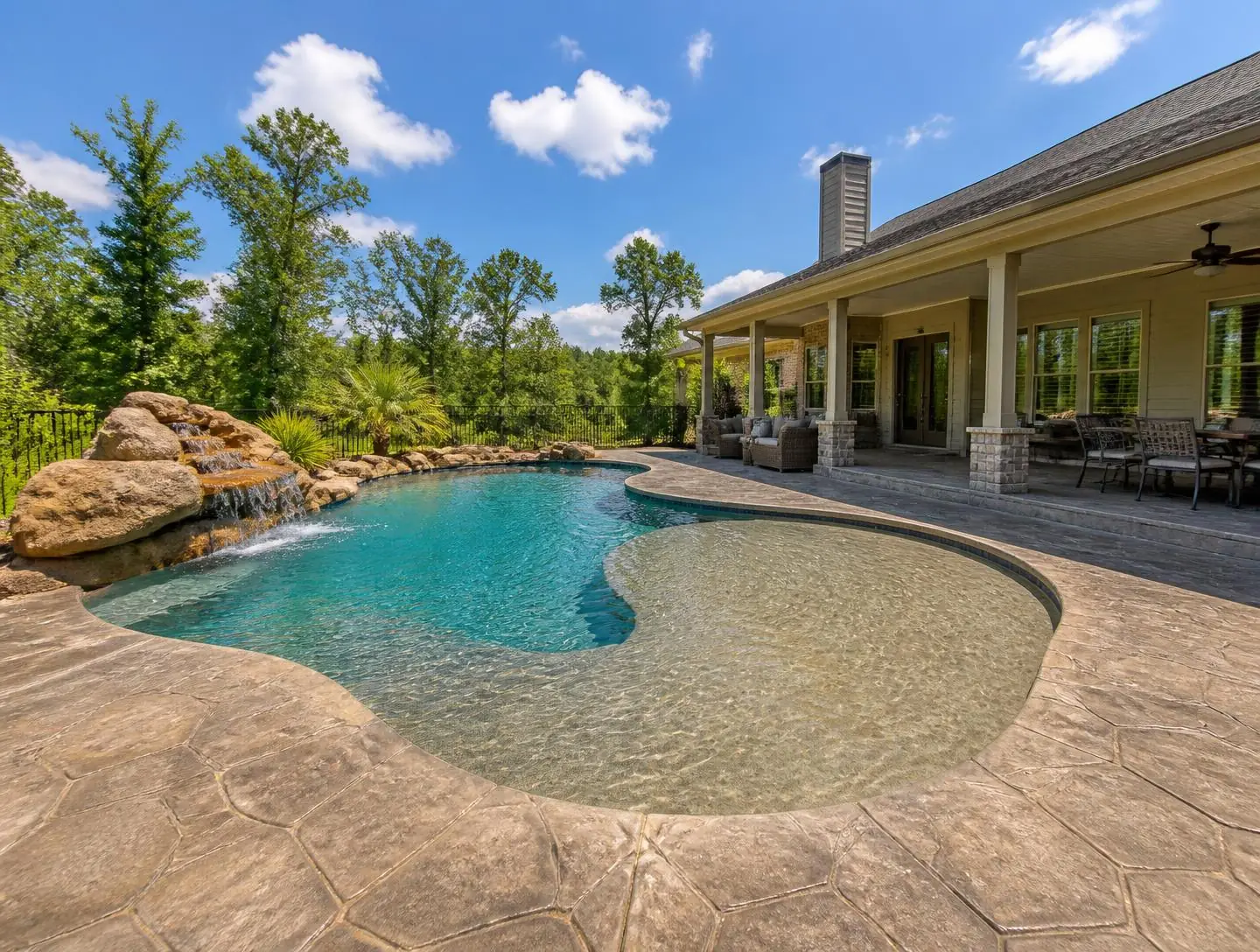
Clear sightlines from the main indoor living space to the pool, non-slip deck surfaces, well-lit steps and level changes, a defined shallow area for young children, and handrails where entry is steep all reduce risk without making the backyard feel institutional.
Check local requirements
Barrier, gate, alarm and drain requirements are set by local codes and can differ inside city limits versus unincorporated areas. Confirm the requirements that apply to your specific address with the appropriate local authority before construction, and re-check them during any renovation.
Start with a conversation about your backyard
Share your yard, your budget range and how you want to use the space. You will get straight answers about what is realistic before anything is designed.